Islamic monument · Cairo
Sabiel Nafesa Al-Bayda
Charity, water and learning on Cairo's Muizz Street
- City
- Cairo
- Type
- Islamic monument
- Era
- Late Ottoman Egypt, c. 1796 (AH 1210)
Overview
The Sabil-Kuttab of Nafisa al-Bayda is a charitable foundation in Historic Cairo, on the celebrated Al-Muizz Street. It was built in the late 18th century by Nafisa al-Bayda, known as "Nafisa the White", the widow of the Mamluk leader Murad Bey. The building combines two traditional Islamic charitable functions in one structure: a sabil, which gave free drinking water to passers-by, and a kuttab, an elementary school for teaching children.
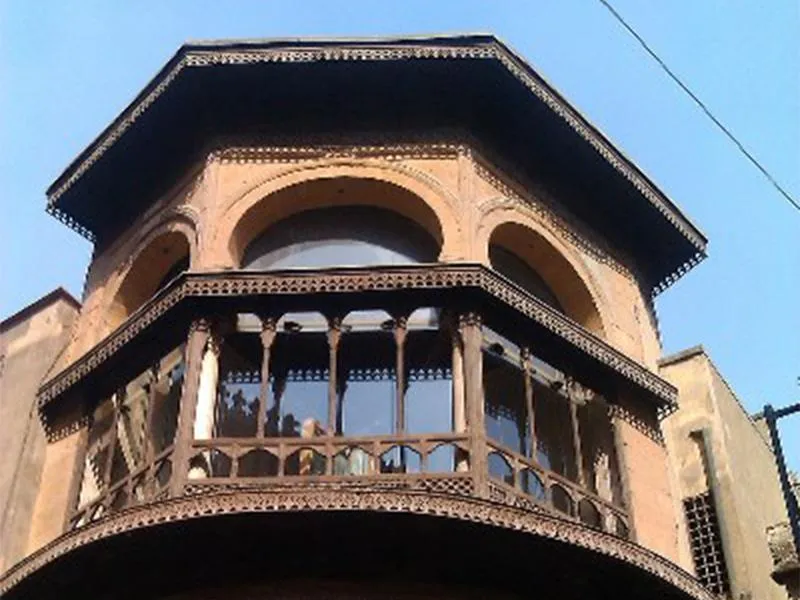
Like many sabil-kuttabs in Cairo, the building reflects the city's tradition of public philanthropy. The sabil occupied the ground floor, where water was offered to the public through bronze-grilled windows. Above it, the kuttab was reached separately and opened onto the street through a light wooden loggia. This arrangement made the building a lasting part of daily life, serving both the thirsty traveller and the young student.
Its architecture belongs to the late Mamluk-Ottoman tradition of Cairo, with a rounded facade, decorated grilles and a projecting upper floor under a wooden roof. Nafisa al-Bayda was a prominent woman patron in a period of political turbulence, and her foundation shows how women of rank shaped Cairo's urban landscape. Today it stands among the monuments of Historic Cairo, a UNESCO World Heritage area.
What to see
- 01The sabil facade with its bronze-grilled water windows facing the street
- 02The upper-floor kuttab with its open wooden loggia, once a children's school
- 03The decorated exterior and projecting wooden eaves typical of Cairene sabil-kuttabs
- 04The setting on Al-Muizz Street, among the medieval monuments of Historic Cairo
Visitor tips
- Combine your visit with a walk along Al-Muizz Street, which is rich in medieval monuments within a short distance.
- Opening arrangements and ticketing for monuments can change, so confirm current details locally or with the relevant antiquities authority before you go.
- Dress modestly, wear comfortable shoes for uneven historic paving, and bring a camera for the facade details.
Frequently asked questions
What is a sabil-kuttab?
A sabil-kuttab is a charitable building common in Ottoman-era Cairo. The sabil on the ground floor provided free drinking water to the public, while the kuttab above was a small school where children learned reading and the Quran.
Who was Nafisa al-Bayda?
Nafisa al-Bayda, or Nafisa the White, was a woman of the late 18th-century Mamluk elite and the widow of Murad Bey. She founded this sabil-kuttab as a pious charitable endowment.
Where is the Sabil-Kuttab of Nafisa al-Bayda?
It stands on Al-Muizz Street in Historic Cairo, an area known for its concentration of Islamic monuments and listed as a UNESCO World Heritage site.