Coptic monument · Cairo
Coptic Museum
Where Egypt's Christian heritage is preserved in wood, cloth, and ink
- City
- Cairo
- Type
- Coptic monument
- Era
- Coptic art, Late Antiquity to Islamic periods; museum founded 1910

Overview
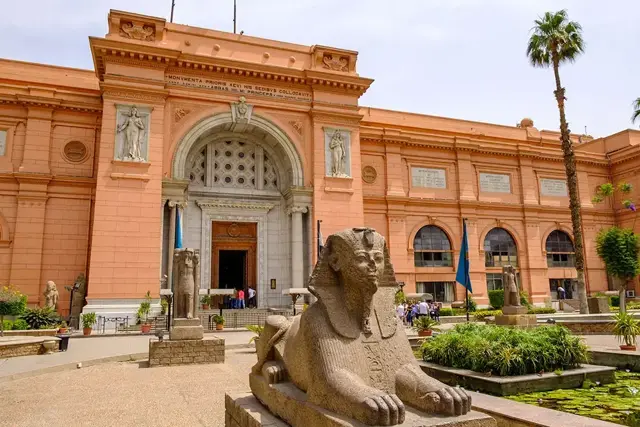
The Coptic Museum in Old Cairo (Coptic Cairo) holds the world's most comprehensive collection of Egyptian Christian art. Marcus Simaika Pasha, a Coptic public figure, founded it in 1910 and donated part of his own collection. The Egyptian state took it over in 1931. Its holdings trace Christian Egypt from the late Roman and Byzantine eras through the early Islamic centuries. They show how pharaonic, Greco-Roman, and Christian traditions blended into a distinctive Coptic artistic style.
The museum's buildings are as interesting as the objects inside. An older wing was joined by a newer one in 1947, and the design draws on both Coptic and Islamic architectural traditions. Visitors will notice richly carved wooden ceilings, mashrabiya screens, decorated halls, and a peaceful courtyard garden with a fountain. After extensive restoration, the museum reopened to the public in the 2000s, with its galleries organised to present the collection clearly.
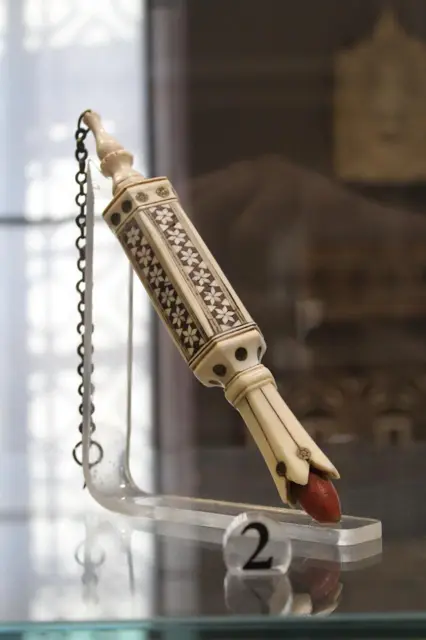
The museum stands in the historic Coptic quarter, close to the Roman-era Fortress of Babylon, the Hanging Church, the Church of St. Sergius and Bacchus, and the Ben Ezra Synagogue. Its collection includes manuscripts, textiles, icons, stone and wood carvings, metalwork, and ceramics. It also holds the Nag Hammadi codices, ancient Coptic texts discovered in Upper Egypt in 1945. The museum is a natural starting point for exploring Old Cairo.
What to see
- 01The Nag Hammadi codices, ancient Coptic texts found in Upper Egypt in 1945
- 02Coptic textiles, with woven and embroidered designs showing the fusion of classical and Christian motifs
- 03Icons and manuscripts illustrating the devotional and literary life of Christian Egypt
- 04Carved woodwork, stone reliefs, and architectural elements, including pieces from early monasteries such as Bawit and Saqqara
Visitor tips
- Check current opening hours and ticket prices through official or recent local sources before you go, as they can change.
- Combine your visit with the Hanging Church, the Church of St. Sergius and Bacchus, and the Ben Ezra Synagogue, all within walking distance in Coptic Cairo. Dress modestly for the churches.
- Allow around two hours to see the galleries and courtyard properly. Photography rules vary, so ask staff before using a camera. Mar Girgis metro station is the closest stop on Cairo's metro.
Frequently asked questions
Where is the Coptic Museum located?
The Coptic Museum is in Old Cairo, also called Coptic Cairo, close to the Fortress of Babylon and the Hanging Church. Mar Girgis metro station is the nearest stop.
Who founded the Coptic Museum and when?
Marcus Simaika Pasha founded the museum in 1910 and donated part of his own collection. The Egyptian government took it over in 1931, and a new wing was added in 1947.
What can you see in the Coptic Museum?
The museum displays Coptic icons, manuscripts, textiles, carved wood and stone, metalwork, and ceramics from late Roman times through the Islamic period. It also holds the Nag Hammadi codices.