Museum · Alexandria
Graeco-Roman Museum
Where Greek, Roman and Egyptian Alexandria meet
- City
- Alexandria
- Type
- Museum
- Era
- Ptolemaic to Roman era, c. 331 BC – 7th century AD
Overview
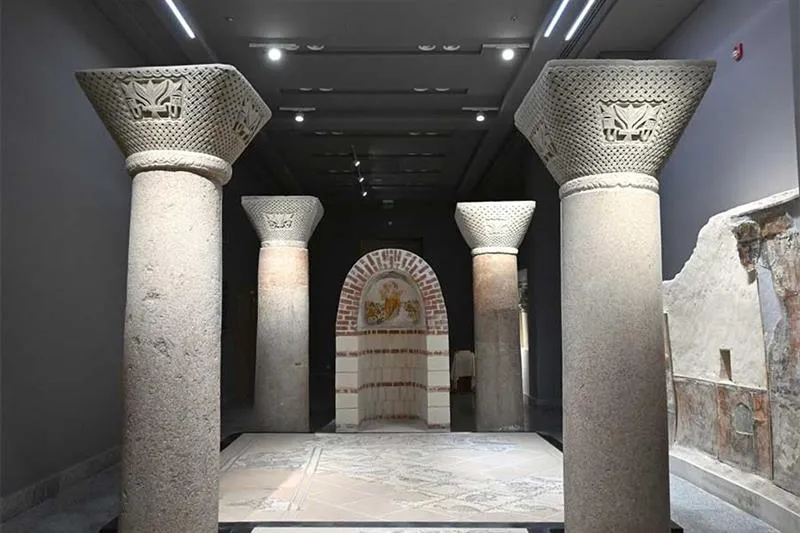
The Graeco-Roman Museum in Alexandria is one of Egypt's oldest museums, founded in 1892 to preserve the archaeological heritage of a city that Alexander the Great founded in 331 BC. Its collections trace Alexandria's story through the Ptolemaic, Roman and early Byzantine periods, when the city was a great Mediterranean centre of trade, scholarship and culture. For anyone curious about life in ancient Alexandria beyond its famous lost monuments, the museum offers a clear and rewarding introduction.
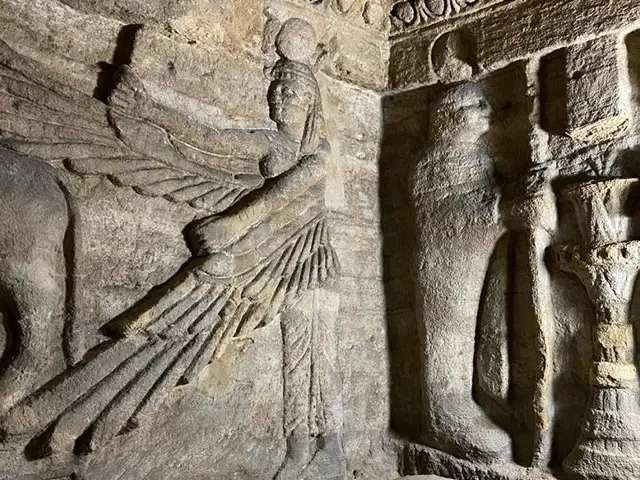
The museum's holdings come largely from excavations in Alexandria and its surroundings, along with finds from other parts of Egypt. They include sculpture, sarcophagi, funerary stelae, pottery, glass, terracotta figurines, jewellery and a large numismatic collection. Together they show how Egyptian, Greek and Roman traditions blended in Alexandria, producing art and religious imagery such as the cult of Serapis that combined elements from different cultures.
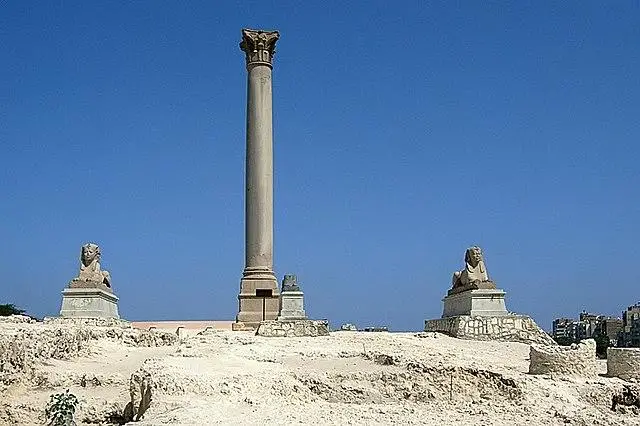
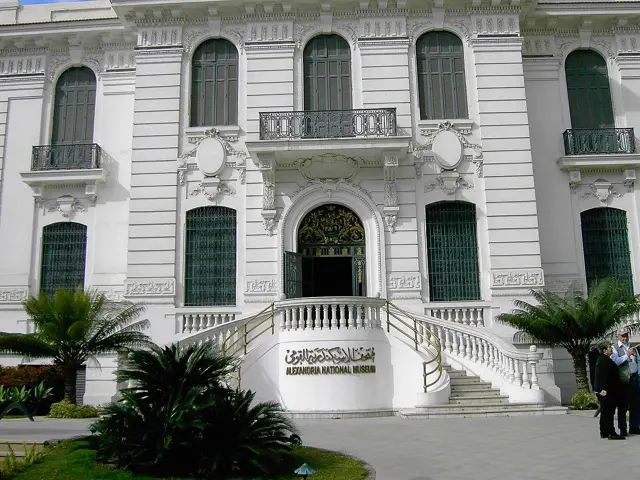
The museum is housed in a neoclassical building in central Alexandria and reopened to visitors in 2023 after a long period of restoration. Its collections pair well with a wider exploration of the city's ancient heritage, including the Catacombs of Kom el-Shoqafa, Pompey's Pillar and the Bibliotheca Alexandrina, which carries on the city's scholarly legacy. Because opening arrangements can change, visitors should confirm current details locally before planning a trip.
What to see
- 01Hellenistic and Roman sculpture, including images of deities such as Serapis and Isis
- 02Sarcophagi and funerary stelae showing Egyptian and Greek burial customs side by side
- 03Terracotta figurines and everyday objects that reveal daily life in ancient Alexandria
- 04The numismatic collection documenting the coinage of Ptolemaic and Roman Egypt
Visitor tips
- Check current opening hours and ticket prices locally or through official channels before you go, as they can change.
- Pair your visit with nearby heritage sites such as the Catacombs of Kom el-Shoqafa and Pompey's Pillar for a fuller picture of Graeco-Roman Alexandria.
- Take your time with the smaller objects such as coins, figurines and funerary items, as they often tell the most revealing stories.
Frequently asked questions
When was the Graeco-Roman Museum in Alexandria founded?
The museum was founded in 1892, which makes it one of the oldest museums in Egypt. It was created to house and study antiquities found in Alexandria and its region.
What can you see in the Graeco-Roman Museum?
The museum displays sculpture, sarcophagi, funerary stelae, pottery, glass, terracotta figurines, jewellery and coins from the Ptolemaic and Roman periods. Together they illustrate the mixing of Egyptian, Greek and Roman cultures in Alexandria.
What historical period does the museum cover?
Its collections focus on Graeco-Roman Egypt, from the foundation of Alexandria by Alexander the Great in 331 BC through the Ptolemaic and Roman eras and into the early Byzantine period.