Archaeological site · Aswan
Sehel Island
Granite islet where pharaohs carved their famine and faith
- City
- Aswan
- Era
- Old Kingdom to Ptolemaic Period, c. 2686–30 BC
Overview
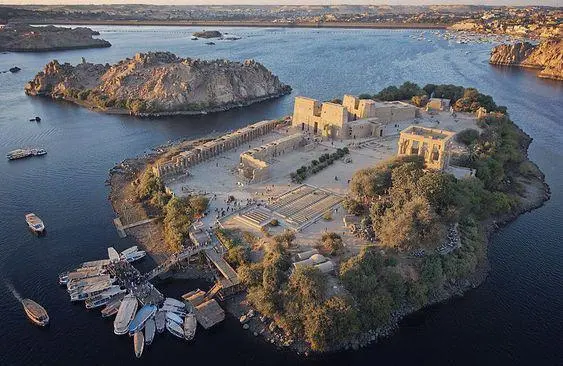
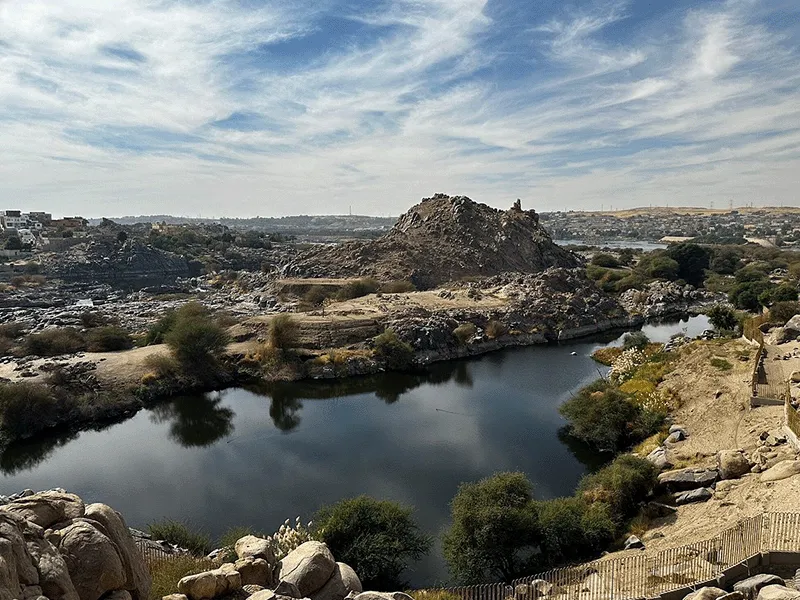
Sehel Island lies in the Nile's First Cataract, just south of Aswan, where granite outcrops and rushing channels once marked Egypt's southern frontier. Today it is a quiet, green island of palms, gardens and Nubian villages, reached by a short boat ride from the Aswan riverbank. For visitors it offers a rare mix of open-air archaeology and living Nubian culture, away from the busier temple sites of the city.
The island is best known for its granite boulders, which carry hundreds of rock inscriptions and graffiti left by officials, soldiers, quarrymen and expedition leaders. They span many centuries, from the Old Kingdom through the Ptolemaic period. Many record journeys to quarry stone, campaigns into Nubia, or offerings to the local gods. Sehel was linked with the cataract deities, especially Anuket, who was worshipped here alongside Khnum and Satet of nearby Elephantine.
Its most famous monument is the Famine Stela, carved on a granite boulder in the Ptolemaic period. The text presents itself as a decree of King Djoser of the Third Dynasty, who suffered seven years of low Nile floods and hunger. After consulting Imhotep, he learns about Khnum, lord of the Nile's source, and grants lands to his temple. Scholars regard it as a later composition. American Egyptologist Charles Wilbour rediscovered it in 1889.
What to see
- 01The Famine Stela, a Ptolemaic-era text about seven lean years and the god Khnum
- 02Granite boulders covered with rock inscriptions from many periods of Egyptian history
- 03Remains linked to the cult of Anuket, goddess of the First Cataract
- 04Nubian village life, palm groves and Nile views on the boat journey
Visitor tips
- Arrange a boat from Aswan in advance and agree the route and waiting time before departure; confirm current access conditions locally.
- Wear sturdy shoes, a hat and sun protection, and carry water, as the granite terrain is uneven and shade is limited.
- Be respectful in the Nubian villages: ask permission before photographing people or homes, and stay on public paths.
Frequently asked questions
What is Sehel Island famous for?
Sehel Island is famous for the Famine Stela and for hundreds of rock inscriptions carved on its granite boulders from the Old Kingdom to the Ptolemaic period. It was also a cult place of the cataract goddess Anuket.
How do you get to Sehel Island from Aswan?
The island lies in the Nile just south of Aswan and is normally reached by a short trip in a local motorboat or felucca. Arrange the boat and confirm access conditions locally before you go.
What does the Famine Stela say?
Carved in the Ptolemaic period, it claims to record King Djoser's reaction to seven years of famine caused by low Nile floods. Advised by Imhotep, he turns to the god Khnum and grants lands to his temple. Most scholars see it as a later composition.