Pyramids & tombs · Sohag
El Hawawish
Cliffside tombs where Akhmim's ancient governors still speak
- City
- Sohag
- Type
- Pyramids & tombs
- Era
- Old Kingdom, c. 2686–2181 BC (with later reuse)
Overview
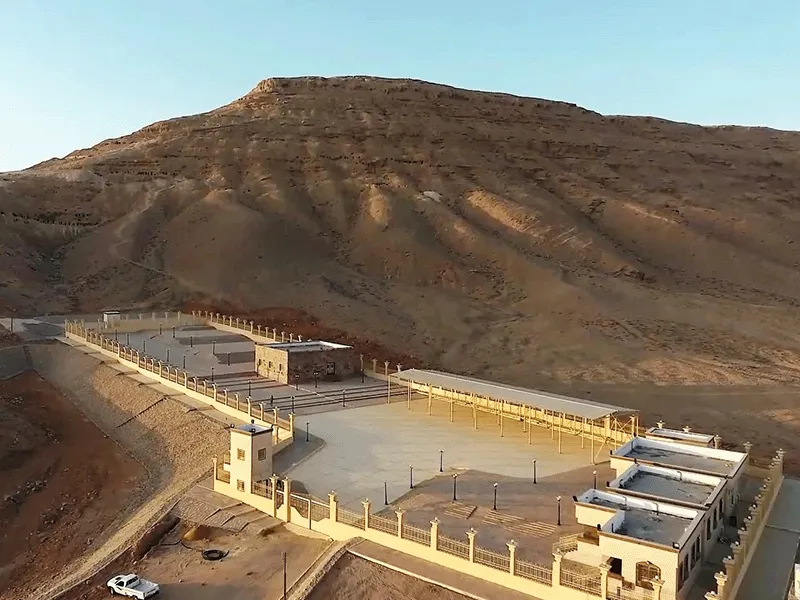
El Hawawish is an ancient cemetery cut into the limestone hills on the east bank of the Nile, a few kilometres north-east of Akhmim in Sohag Governorate. It served as a burial ground for the people of ancient Ipu, known to the Greeks as Panopolis. This town was the capital of the ninth nome of Upper Egypt and an important cult centre of the fertility god Min. The necropolis is one of the best sources for understanding provincial life in Upper Egypt.
The tombs belonged mainly to local governors, priests and high officials, and most date to the late Old Kingdom and the troubled years that followed. Their rock-cut chapels often have pillars, offering niches and burial shafts. Many walls carry painted and carved scenes of farming, fishing, craftsmen and offering bearers, along with inscriptions that record the titles and family ties of the owners. These images give a rare picture of regional society far from the royal court.
Modern research has shaped what we know about the site. An Australian expedition associated with Macquarie University, led by Naguib Kanawati, recorded and published many of its tombs. Weathering, quarrying and later reuse have damaged some chapels, so the surviving decoration is all the more valuable. Visitors interested in Upper Egypt's provincial history often combine El Hawawish with other heritage sites in and around Akhmim.
What to see
- 01Rock-cut tomb chapels of provincial governors and officials of the ninth nome
- 02Painted and carved scenes of farming, fishing, crafts and offering rituals
- 03Hieroglyphic inscriptions recording titles and family relationships
- 04Hillside views over the Nile Valley and the cultivated land near Akhmim
Visitor tips
- Check access and opening arrangements with the Sohag antiquities authorities or a local guide before you travel, as conditions at remote tomb sites can change.
- Wear sturdy shoes and bring water and sun protection, because the site is on a rocky hillside with little shade.
- Pair your visit with other heritage sites in Akhmim and Sohag, and ask a knowledgeable guide to explain the tomb scenes and inscriptions.
Frequently asked questions
Where is El Hawawish?
El Hawawish is on the east bank of the Nile, a few kilometres north-east of Akhmim in Sohag Governorate, Upper Egypt. It lies in the desert hills that border the cultivated land.
What is El Hawawish known for?
It is known for its rock-cut tombs of local governors, priests and officials of ancient Ipu (Panopolis), mostly from the late Old Kingdom. Their walls show scenes of daily life and offerings, along with inscriptions that name the tomb owners and their titles.
Can I visit El Hawawish, and how do I plan a trip?
Access to the site can vary, so confirm current arrangements with the local antiquities authorities or a licensed guide before going. Sohag is reachable from other Upper Egyptian cities, and the site is easily combined with other places of interest in Akhmim.